
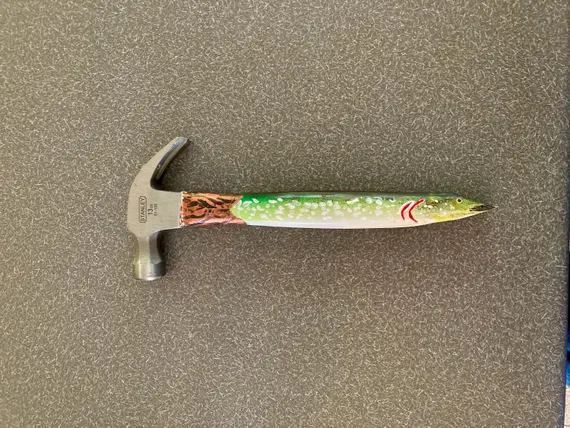
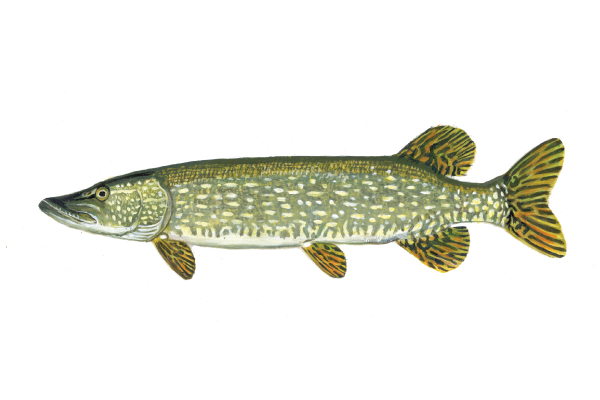
In fishing terminology, a “Hammer Handle” refers to a small, slender northern pike (typically under 20–22 inches in length). They earn the nickname because their long, skinny bodies are roughly the same size and shape as a standard hammer handle, and they are notorious for violently thrashing when caught.
In 2018, the MN DNR implemented new limits for northern pike and divided the state into three different zones with different limits. In the north-central zone (where Lake Augusta and Clearwater are located), many lakes are plagued by an overabundance of small pike (generally less than 22 inches).
Too many small pike can negatively affect fisheries in a lake by reducing perch and other baitfish numbers, skewing panfish populations to smaller sizes, and reducing the success of walleye stocking efforts. These “Hammer Handles” as they are sometimes called are also notorious for biting through fishing line and swimming away with expensive fishing tackle while anglers are pursuing other desired species.
In the north-central zone, where Lake Augusta is located, anglers can keep 10 northern pike, but not more than two pike longer than 26 inches; and
all Pike from 22 to 26 inches MUST be released.
Northern pike taken by spearing follow the same rules except one pike may be between 22 and 26 inches or two larger than 26 inches. The purpose of this regulation is to allow more harvest of the abundant small pike and shift population size structure to more medium-sized pike in order to establish a more balanced fishery.
Key Facts About Hammer Handles:
- Size & Age: They are generally young, sexually mature fish. In areas with high fishing pressure or stunted populations, there can be an overabundance of these smaller fish.
- Edibility: While they require a bit more knife-work to remove their pesky Y-bones, many anglers consider hammer handles to be excellent table fare, often turning them into fish cakes or frying them up.
While limits for small pike are generous, many fisherman do not like to deal with cleaning and eating smaller northern pike, due to the abundant “Y” bones in the filets. When cleaned properly, the bones can be easily removed, and pike make great table fare-some even say they prefer them over walleye.
How to Handle Them Safely:
Because pike have extremely sharp teeth and gill rakers and they tend to be very slippery, landing them requires care. Many anglers use a lip-grip tool to keep their hands away from the gills and teeth, and they always support the fish’s belly horizontally.
How to Fillet a Northern Pike without Bones: