
Curly-Leaf Pondweed (CLP)
Curly-Leaf Pondweed (CLP) is one of the Aquatic Invasive Species (AIS) that has invaded Lake Augusta, as well as over 800 other lakes in our area and across the state. CLP begins its growth spurt after ice-out. If untreated, CLP will peak in June and then typically die back in July. It also causes an increase in phosphorus concentrations, causing an increase in algae blooms and a pile-up of dying CLP along the shore.
The herbicide treatment completed on Lake Augusta annually in late-May is designed to specifically target CLP. This is done before water temperatures reach 60°F, per our DNR Permit, which is the temperature when most native Aquatic Vegetation begins to grow, making the treatment selective to CLP.
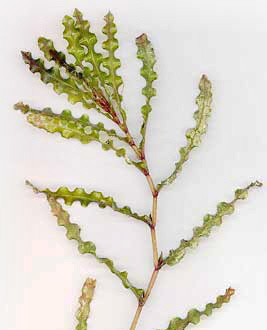
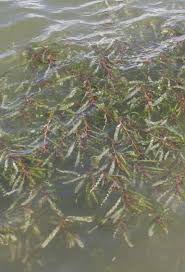
Appearance: Curly-leaf pondweed is a rooted, submersed aquatic plant. Its coloration varies from olive-green to reddish-brown.
Leaves and Stem: Wavy, lasagna-like leaves grow approximately a half-inch wide and two to three inches long. Leaves have an obvious mid-vein, “toothed” or serrated edges and blunt tips. Leaves are arranged alternately, are directly attached to the stem, and become denser toward the end of the stem. The main stem can be various colors including white, green, brown, and red, and tends to branch multiple times near the top of the plant. The plant may mat at the surface, but does not have true floating leaves.
Biology: Curly-leaf pondweed generally grows from the shore to water depths of 15 feet, and can grow up to 15 feet tall. It tolerates low water clarity and will readily invade disturbed areas. Curly-leaf can be distinguished from native pondweeds by its unique life cycle. Turions sprout in the fall, and it is generally the first pondweed to come up in the spring. It typically flowers, fruits, and produces turions in June before dying back in mid-summer.
For More Information on Curly Leaf Pondweed Info: www.dnr.state.mn.us/invasives/aquaticplants/curlyleaf_pondweed.html